


coldplay12
Members
-
Joined
-
Last visited
Everything posted by coldplay12
-
The band's performance on BBC Radio 2's Piano Room today (03.02.2025). Ripped from the BBC Radio 2 Player. Separated Tracks M4A/M320kbps. Setlist: 1. Viva La Vida 2. Paradise 3. feelslikeimfallinginlove 4. All My Love 5. The Karate Kid 6. Sunshine On Leith (The Proclaimers Cover) DOWNLOAD

-
Links updated, enjoy lads
-
Nice work, a bit diffirents from those we uploaded on our Youtube channel
-
Here maybe?? @stephen??
-
Link is down, i'm really interested on listening to what you've done:)
-
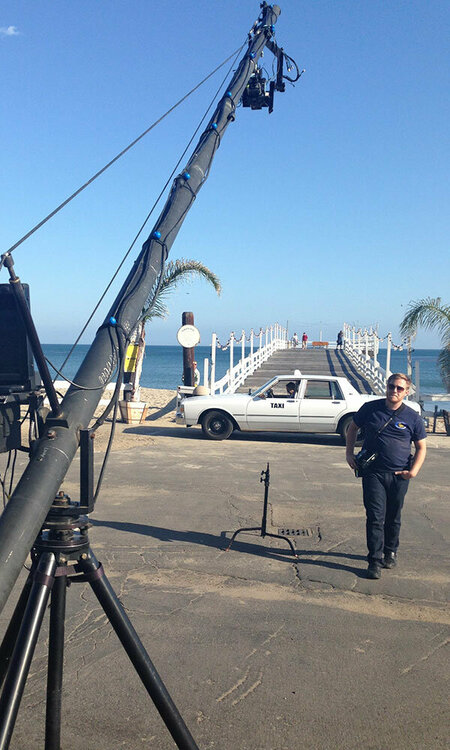
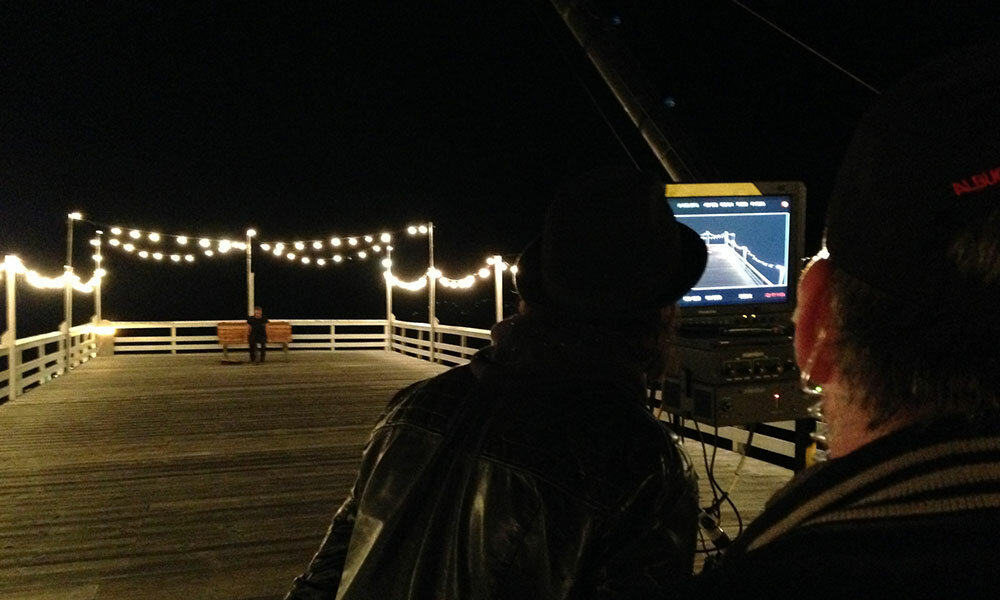
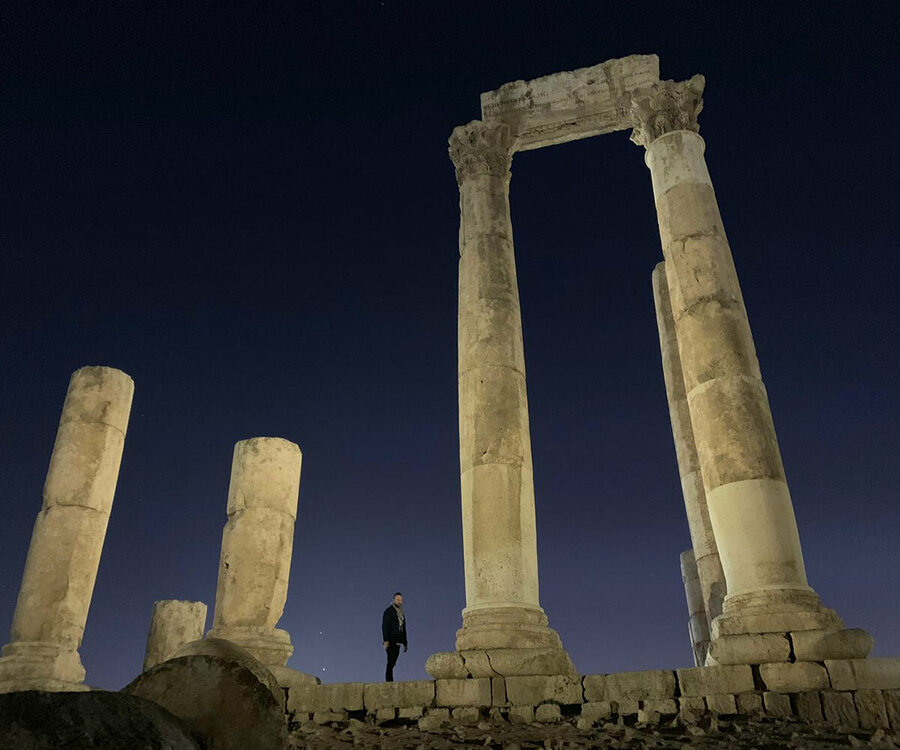
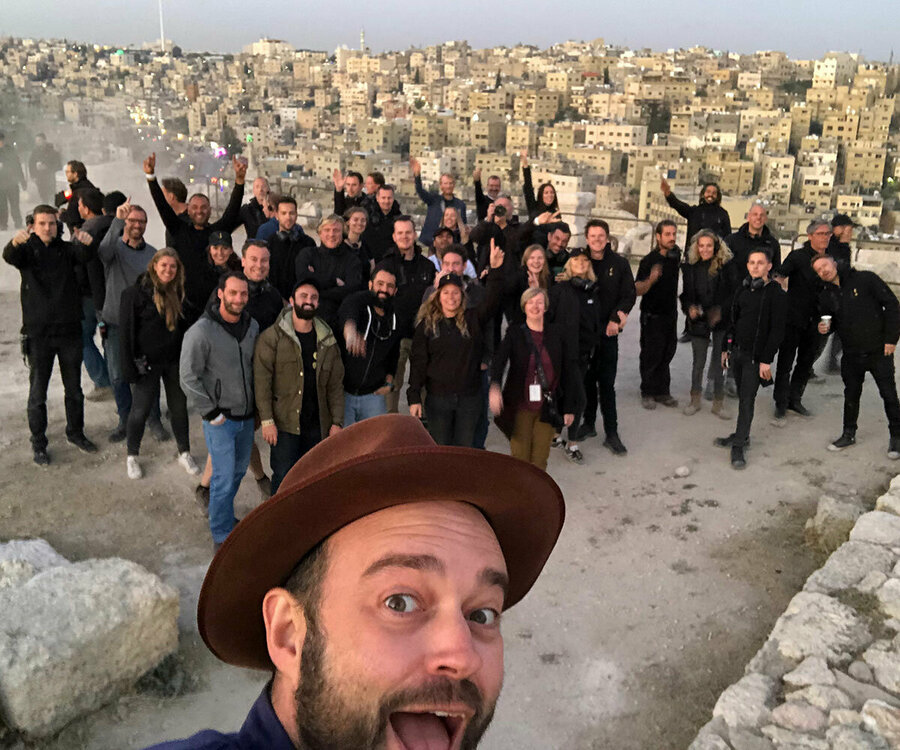
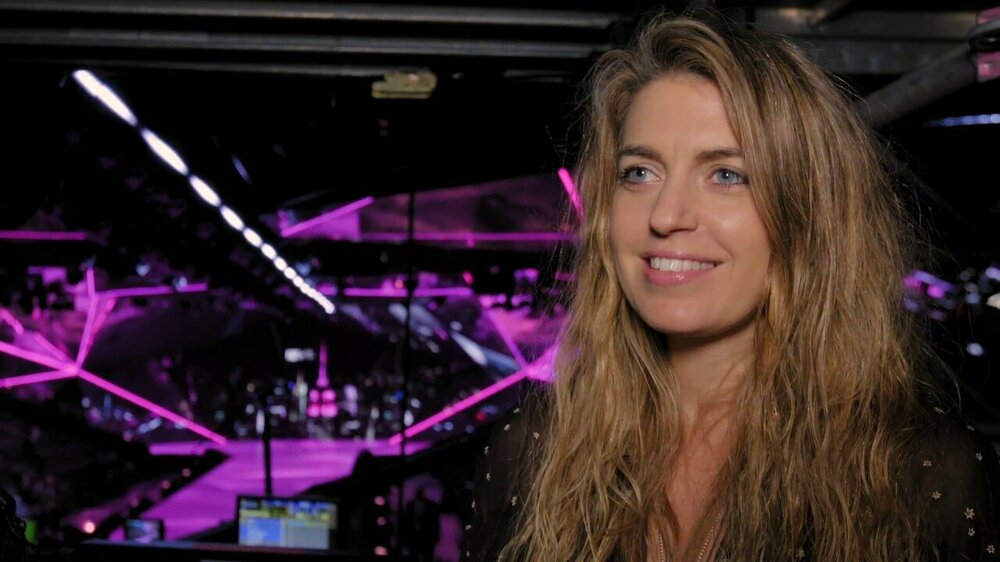
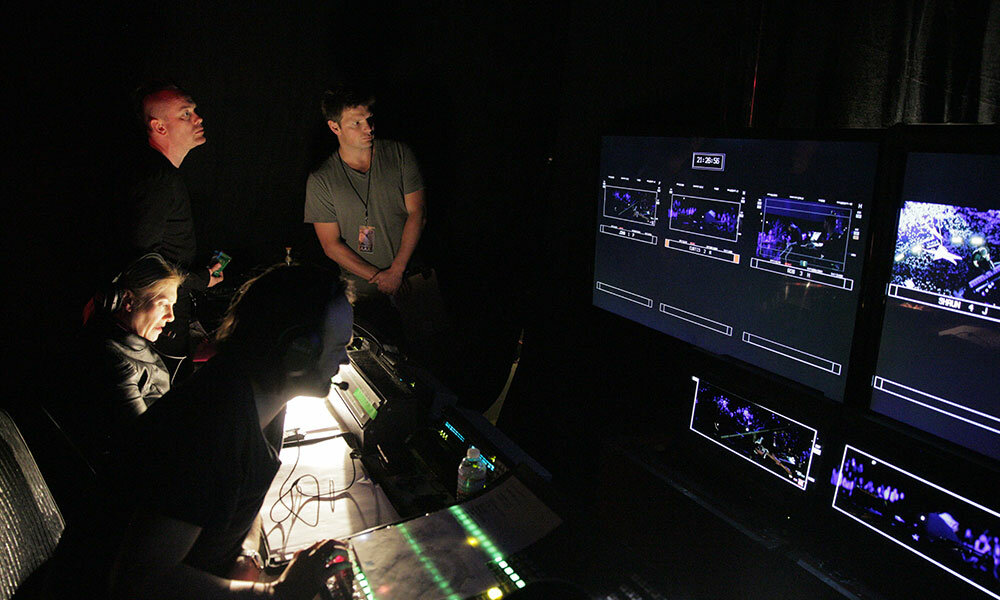
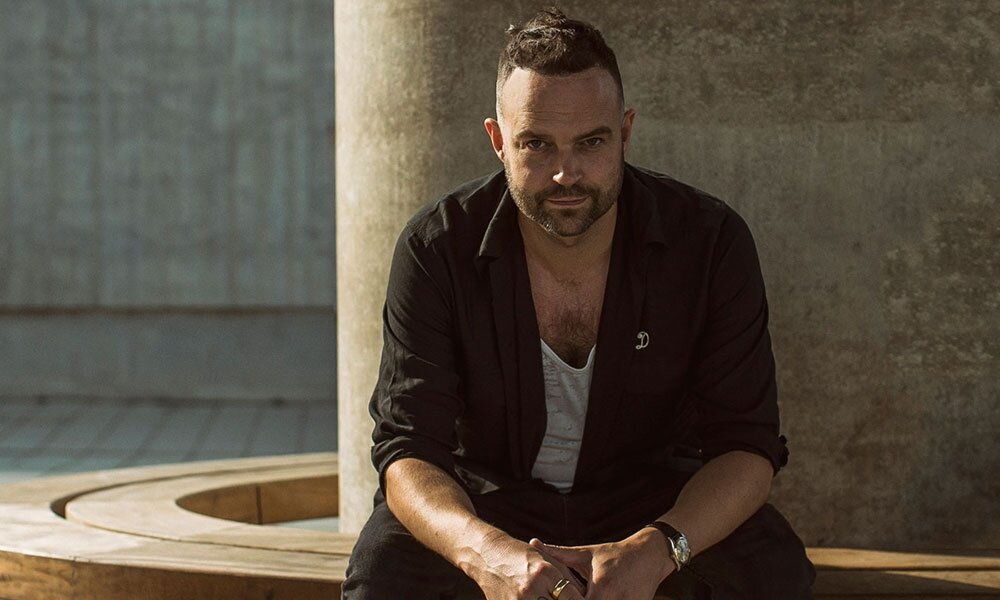
Multiple Grammy nominated Paul Dugdale is one of the world's leading pop culture directors, responsible for creating critically acclaimed, pioneering concert films, music documentaries and global live events. He studied at Central Saint Martins School of Art in London. His passion for music and film has led him to write and direct documentaries and concert movies for some of the world's biggest artists including; Coldplay, Paul McCartney, U2, The Rolling Stones, Green Day, Taylor Swift, Adele, Shawn Mendes, Ariana Grande, Ed Sheeran & The Prodigy. To mark the release of the band's latest album and the launch of their tour, we spoke with #PaulDugdale the director of Live 2012, Ghost Stories Live 2014, Everyday Life Live, Higher Power (Extraterrestrial Transmission) and the newly released People Of The Pride. Hello Paul, thanks for giving us the opportunity to do this interview. You’ve known the band for a long time now, can you tell us how you met them ? I first met the band near the start of the Mylo Xyloto tour when we were getting ready to make our first film for them- Live 2012. We were backstage at a show which I think was in the US but it’s a bit of a blur! What was your first thought about them ? I’ve been a fan since Parachutes so it was a real thrill to meet them, and it’s always so great when artists you like are warm and welcoming, which Coldplay certainly were. You are the director of the ‘Live 2012’ from the Mylo Xyloto tour for wich you received a Grammy Award nomination. How did you get involved in this adventure ? At that stage of my directing career I was pretty new, so I had to work hard to show the band that we could deliver a project of that scale. We did a bunch of tests and mood boards and treatments, and at that stage we were also mapping out the potential structure of the film- song locations etc etc. Phil and the band had to put quite a lot of trust in what we would do because I didn’t have the body of work I do now. I’m really grateful for that chance and the trust they put in me. It was a landmark project for me, and I’m lucky that most of the projects together that have followed have been landmarks too. Being on tour with the band must have been a pretty special experience. Tell us how you felt it ? The Mylo Xyloto tour shows really were extraordinary. I think it was the first time that anyone had used the wrist bands to light up the audience on a tour like that, so every show felt completely amazing. Huge venues, and really excited crowds. I loved it. Traveling with a tour party like that, and the excitement of being whisked away from shows in convoy and police escorts. It was like being parachuted into a tour band dream for a few weeks. It felt like such an amazing chapter to capture. Technicolour. One of the best moment of this film is probably Paradise at the Stade de France. How did you capture all this energy ? It must be hard to know what to capture and when, to make the best out of it ? No it was easy! The shows looked so good with all the colour and graffiti. What I love about Coldplay shows is that they can switch between every emotion. There is so much emotional texture to the set where one song the crowd is moshing like a hard rock show to God put a Smile or People of the Pride, and then next it might be a really emotional ballad with people in tears. Seeing how the crowd react is what makes my job easy, because a big part of what I want to do is capture that relationship, and the energy between the band and the crowd. Also, when you spend time on a tour like we did for that project because we were shooting sections of documentary, it really helps you to learn the show in very fine detail, so by the time we were in Paris I had a really good sense of where to be in the right places at the right time during the show to capture it well. You’ve been at the Stade de France and at La Cigale, in Paris. In your opinion, Coldplay plays better in a smaller venue like La Cigale or in big stadiums like Stade de France ? And which one do you like the most ? Well they are one of those rare artists where of course they have songs to suit both. It’s interesting actually- I think in the smaller shows the music becomes more of a focus which is so great, but seeing a Coldplay show now is so much more than just music- it’s an experience isn’t it. Everything they strive to do in terms of production and the spectacle aspect of it is really mind blowing, and everything is done to enhance the music, so I think for me- it feels like the stadium shows really allow them to push beyond the music and into something that really feels like you have had a human experience, and been part of something communal and special and intimate even though you have shared it with 80000 other people. Of course you can achieve that through the music at the smaller shows too but to do it and feel it on such a big scale is really awe inspiring. You travelled with the band for several months and many concerts on this Mylo Xylo Tour. Who chose these particular locations for each song, and why ? When we made the film we really wanted to give people the sense of movement and travel, and never staying in the same place for too long. The idea of a journey and a sense of being on an adventure where you don’t quite know what is going to happen next is exciting to watch. I plotted the structure of the film, and it was important to us that we made sure that we either had a bit of documentary or moved to a new location every couple of songs, so things were constantly evolving. What’s your favorite part of the tour/shoot ? I think my favourite part of the tour was being on stage behind the piano as Chris played the start of Fix You, and just looking out and seeing 70000 people singing. It’s giving me chills even now just thinking about it. So emotional and wonderful. I feel very lucky to still get to have experiences like that, and I can remember it so clearly. Let’s talk about Ghost Stories. You directed the Ghost Stories Live film in Los Angeles, and received a Grammy Award nomination too. How did you handle the filming, since it was a totally secret gig with only a small audiance ? I really loved the Ghost Stories film. I think it was actually fairly easy to handle the secrecy of the shows because we were on a studio complex so it wasn’t like there were lots of people around or other people who could leak it to the public, so I think it always felt fairly simple and secure for my point of view. Did the band asked specific things, or did they let you a full freedom ? Where Live 2012 was a document of an existing tour, Ghost Stories we built together from scratch. One of the things that made that project such a huge thrill for me was getting to truly creatively collaborate with the band and the team in making the show. What’s great about that was that the film was the tour, and the tour was the film, so it meant that a lot of the creative decisions were done with the cameras and the capture in mind. It meant we could really make something very bespoke and special. I wouldn’t describe it as full freedom- and I don’t think full freedom would have been the right thing for the project. Collaborating this closely means the project really has the bands DNA running through it. It’s an extension of them and their record, so the result is so much more personal than if I had ‘full freedom’. We had meetings to discuss it all every week for a couple of months. Sitting around a table at The Bakery with Phil, Misty and the band and really discussing the detail of every aspect of it. For a film maker like me, that’s as good as it gets in terms of creating something that so completely represents a record, and the only other time that has happened so closely was with the Jordan broadcast of Everyday Life. About Everyday Life. You directed the live in Jordan for the launch of the album. How has this place been chosen, The Amman Citadel (Jabal al-Qal’a), and why not another place ? There were actually a few other locations discussed. We looked at a bunch of places before we settled on The Amman Citadel. What was important about the location was that it was in a geographical position where there was a meeting of people. Amman is believed to be one of the oldest cities in the world. One of the first places in the world where people gathered on that scale. It was a location chosen for that unity. Playing live for this type of event must have caused a lot of pressure, given every problem that can come. Did you get some difficulties during the gig ? Haha yes there was actually. It was a live global broadcast so there are SO many things that could potentially go wrong. I was positioned in a tent with my team and I had radio comms to the camera team. I was able to direct the camera team over the radio headsets, and the associate director is calling the music in beats and bars for the camera team to precisely time their movements to the music. For about 90 seconds, while we were live to the world our communications system failed. No ones fault- literally a technical problem. So for a while the camera team had no idea what we were asking of them. Luckily we had rehearsed and the team we had are some of the best in the world, so on screen you can’t tell. Perhaps the only clue is that during one of the songs you see one of our team in the back of a shot slowly crawl over to a camera man to try to communicate a message to him from me. It was a little nerve racking in the moment, because you don’t know how long the problem will last, but you just have to stay cool, and pivot to the problem. It was resolved quickly and I’m lucky to work with such brilliant people who can find solutions to technical problems like that really fast and stay cool under that pressure. Reacting to unexpected changes is a big part of my job. Live music is spontaneous and exciting, and I love the fact that anything can happen. It’s all part of the thrill and even with the best team and equipment, sometimes technical surprises like that can’t be avoided. How long have you all been planning this day for ? I think about 6 months. We visited the band while they were recording which was a huge thrill, so we got to hear about the music and the concepts really early on. That’s one of the best things about my job, getting so close to the creative process of the music. Its magic. We can imagine that for this kind of events there’s a lot of discussion between you and the band (and the people they work with). Do they change their mind a lot during the creation process or do they stick to the plan ? I always see these projects as an evolution of ideas over time. Ideas evolve, and yes- some of those ideas can evolve and change, but its all part of the process. Often its really essential to be open to making changes, because until you can actually see things in front of you or how a filmed sequence might work in real life, you can’t always imagine it perfectly every time. The over all vision normally stays the same, its just small details that can change. Would you say that, in overall, the band is satisfied with the final outcome of projects or do they ask for last minute changes or adjustments ? I think you’d have to ask them! What’s great about my relationship with this band is that because the process is often so collaborative, in most instances we have developed and discussed ideas together already, so by the time something is finished it is a representation of our shared vision. We do make small adjustments of course but mostly just small things. For ‘Higher Power’, how did you find yourself involved ? For ‘Higher Power’- ‘Extraterrestrial Transmission’ we were working with the band shooting in London and they wanted to release a performance video at the same time as the music. The idea for the video came together pretty fast- I think we talked about it on a Sunday and shot it on the Tuesday 2 days later. Did the band have a specific idea of how the video should be ? Or did you take the time to show them several ideas and then work around them all together ? The basis of the idea came from the band. They wanted to shoot a performance, and place these hologram dancers in a ‘normal’ looking setting and suggested the car park. We then developed the ideas and the approach to how we would do it, discussed it with Phil and the band and then did it. The process was all very fast, but it made making it really fun, and we had to be pretty bold in our decisions. Committing to shooting a one shot performance where we never lose sight of the band is quite brave because there’s no way you can save it if something goes wrong by cutting away to something else. It was really fun and spontaneous and of course the bands incredible performance really makes it. It is the very first time the band includes dancers in a video, and what’s more, hologram dancers. We know that because of the pandemic, the dancers could not travel to participate to the shooting, but who came up with the holograms idea ? The band and Phil. I know Chris found the Ambiguous Dance Company. They are amazing. For Glastonbury Festival, the shooting took place days before the actual show, how did this shooting go under the rain at Worthy Farm ? Do you agree with the saying ‘Without rain, it’s not really Glastonbury ». We recorded the band about 20 hours before the start of the broadcast, so it was a very fast turn around and my team worked through the night to place it into the film. I personally really loved the rain. It must have been tough conditions to perform in, and our team and all the cameras and kit were completely exposed to the elements too, but yes- it’s not Glastonbury without a little bit of rain. On the day we filmed them we also had a severe weather warning for high wind too, but luckily by that time of night it had died down. Since the launch of this new era, you are omnipresent with the band. Is there any hope that you could direct more videos or even, why not, a DVD ? I think you will have to ask them! I feel very lucky to work with this band. I feel like having a 10 year relationship with an artist like this enables you to make really strong work too because there’s such a shorthand between us, and there’s an expectation and shared values for how the projects should be. I think we share an ambition in wanting to always do something new and push things forward, be pioneering and explore new territory, plus there is an enormous amount of trust between us which is wonderful. For every Coldplay project you’ve been involved with, you’ve had to work with the band’s scenographer and artistic director Misty Buckley. Can you please tell us more about this collaboration ? Would you say that most times, you shared the same vision ? I love Misty and love working with her. What it wonderful is that when we were in our early 20’s we used to work on the same projects together. I was a camera assistant and she was a design assistant and suddenly I would be crouched on the floor of a stage holding a cable for a camera during rehearsals while she painted a bit of the stage or dressed the stage and we would say hi. We literally emerged from the same world, so working with her now and seeing her as one of the best in the world at what she does is such a thrill. It’s always a brilliant collaboration. Does she show up with moodboards and very specific ideas and you then have to adjust to them, or do you work together from the start in order to render high-quality images ? It really varies. Sometimes her ideas are fully formed and all I need to do is work out how best to capture them. Other times, for example for Everyday Life, we literally started on the same day. We turned up and had a meeting together with Phil and both asked a lot of questions both trying to get our heads around what incredible direction the band were headed in next. Does Phil Harvey, friend, artistic director and 5th member of the band have specific requests during shootings ? Yes very much so. He is closely involved in every aspect. Let's talk about People Of The Pride, what is the story behind this music video? It’s a video that shares the themes of the lyrics of the song. We shot the band in Seattle and it was fun to do a really hard cut to reflect the mood of the music. Why didn't you choose only the cartoons to carry the music video, and incorporate parts of the live performance of the song? Was this the first choice or a decision taken along the way? The combination of animation and live capture was Phil and the band’s idea. From our point of view, the bands performance of the track is always so wild, and Sooner’s lighting is so stark and aggressive that it meant the way they present the song on stage is so effective at communicating the sentiment of the lyrics. What is your favorite Coldplay song ? I’m going to totally cheat on this- it varies between Politik, Hurts Like Heaven, Gravity, O (Fly on), Arabesque, Life is for Living... Last but not least, thank you so much Paul for replying to all my questions. It was a real pleasure to talk about everything you’ve done with and for the band. Cheers! 🇫🇷 & 🇬🇧 👉 https://bit.ly/itw-pauldugdale
-
ROLLING STONE REVIEW OF MUSIC OF THE SPHERES. (I transcribed the text)
-
Why my post is hidden??
-
ROLLING STONE REVIEW OF MUSIC OF THE SPHERES. (I transcribed the text) COLDPLAY KEEP THEIR MAGIC FORMULA ALBUM RATE: 4/5 With their ninth album, the epic band’s star keeps going up and up IT’S HARD TO pinpoint the exact moment Coldplay’s trajectory shifted, skyrocketing into the stratosphere. These are not the four skittish teens who cut their teeth writing raw, sould-searching ballads about pain and alienation. They still exist deep down, but have since grown into brighter, sharper, more hopeful people. Coldplay have become a band defined by their success. The world fell in love with them so hard and fast that they’d be foolish to not just enjoy it now. Pre-shift – perhaps somewhere after 2008’s Viva la Vida and before Mylo Xyloto in 2011 – the band was mainly praised for those bruising laments about the issues that hurt us most. Today, though, that wouldn’t really make sense: we find them, with ninth album Music Of The Spheres on a completely higher plane. Why would you continue to frown and wail about the world once you have, well completed it? And so glorious and hopeful lead single ‘Higher Power’ goes somewhere more ambitions as the shimmering synths hurtle through the atmosphere towards something euphoric. That energy grows on ‘Humankind’ as robust synths set up the band’s next stadium anthem. The bones of Coldplay’s youth are still there, though: Martin voice textured and vulnerable; an acoustic guitar strumming away, Will Champion’s drums, so giddy as if preparing a trip to space with nothing but shoes on his feet. But Music Of The Spheres still remembers to breath, too “I Loved you to the moon and back again,” Martin sings on the tender ‘Let Somebody Go’, musing on the burning light of the stars and the pain of sudden, illogical heartbreak. There is a holiness to album standout ‘Human Heart’, too, which understands the fallibility of the only flesh-and-blood tools we have to take care of one another. Things switch again on the curious, epic manifesto ‘People Of The Pride’. Melody-wise, it nods to the driving guitars of ‘70s glam rock while lyrically looking towards the future, with its here “a man who takes his time/from the hands of a cuckoo clock”, another character in the band’s fantastical roster of storytellers from the likes of MyloXyloto and Death And All His Friends. It’s a song which begs for dancing, revolting, marching. Music Of The Spheres loses its spark briefly when leaning on unimaginative lyrics such as in the syrupy ‘Biutyful’. ‘My Universe’ a funk-influenced collab with k-pop giants BTS has underwhelming vocals with awkward results. It recalls the tiresome 2017 ‘Kaleidoscope’ EP, which first flirted with the idea of life beyond our on little planet but got somewhat lost among all the additional voices on the record. But when Music Of The Spheres does complete its mission, it’s spellbinding. The orchestral odyssey ‘Coloratura’ might be the most dazzling thing Coldplay have ever done, a sprawling Pink Floyd-esque experiment whitch pays of infinitely. Yet this album’s pleasure is also in its simplicity: it’s the sound of a supremely confident band, so aware their music now matches the euphoria of, say, a stadium triumph that ‘Infinity Sign’ slyly reworks rudimentary football chant “Olé Olé Olé” into something quite beautiful. It shouldn’t work but it does: epitomising Coldplay’s breathless ascent ever higher. It’s just a thrill to be along for the ride. Review - Ella Kemp – Rolling Stone Magazin
-
Found on Alien Radio website My Thoughts, from left to right 1 AHFOD Era 2 MX Era 3 Don't Know 4 GLASTO SHOW

-
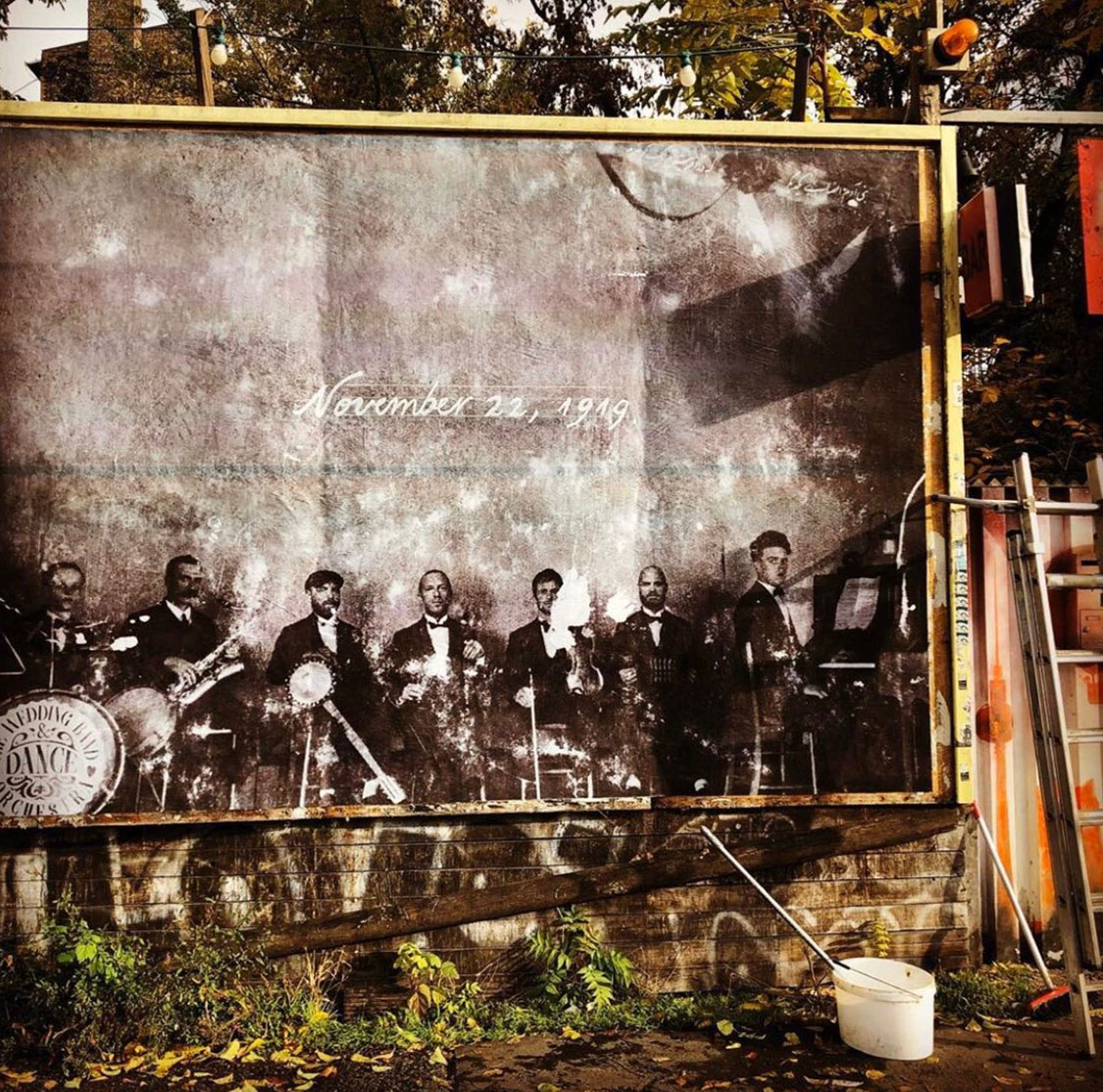
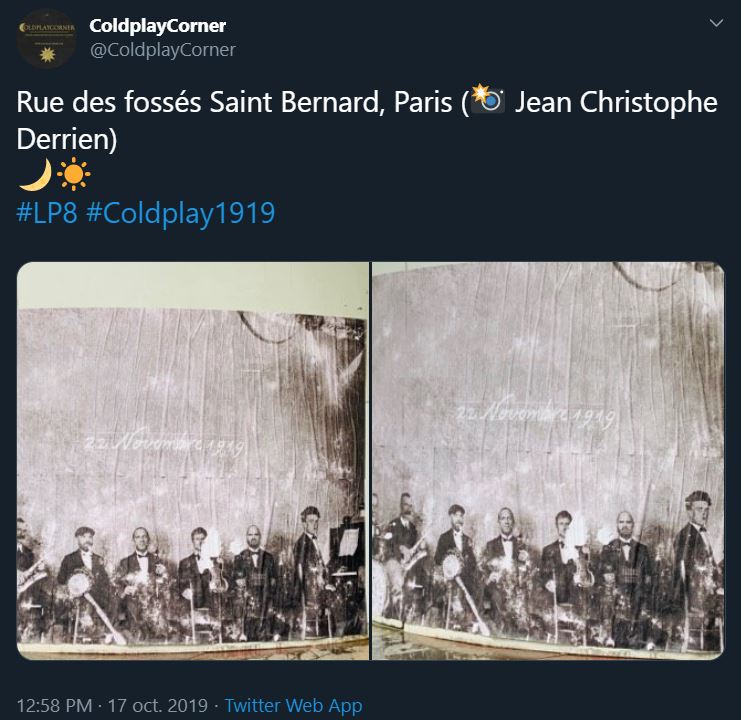
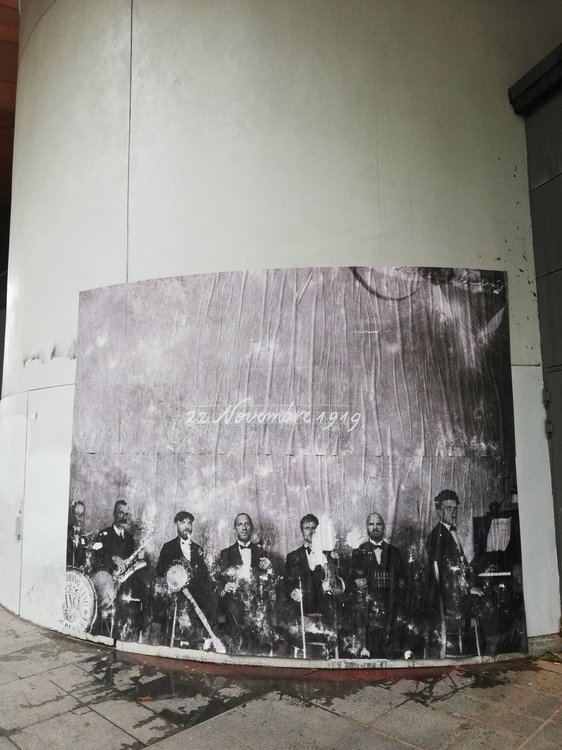
Paris, France
-
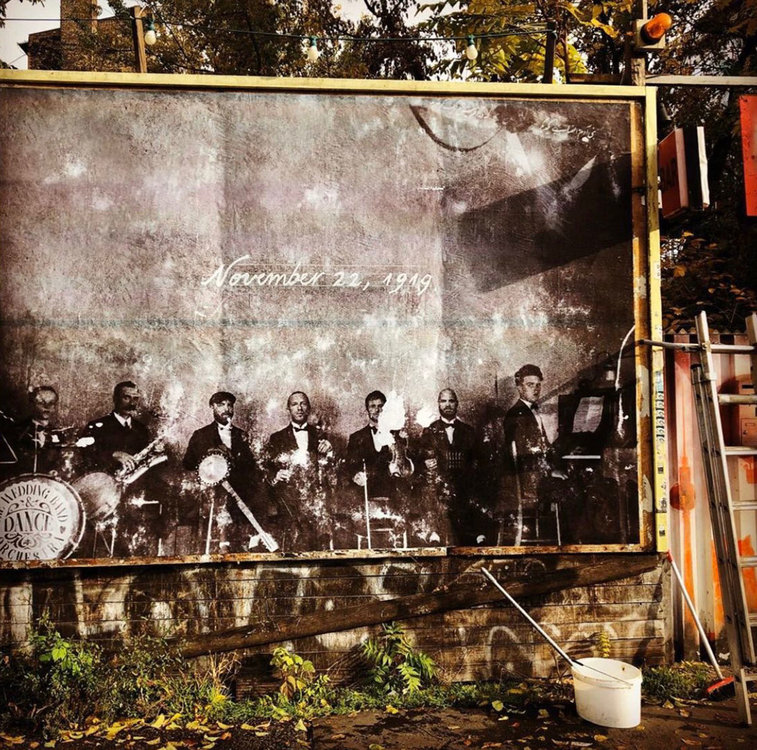
Berlin
-
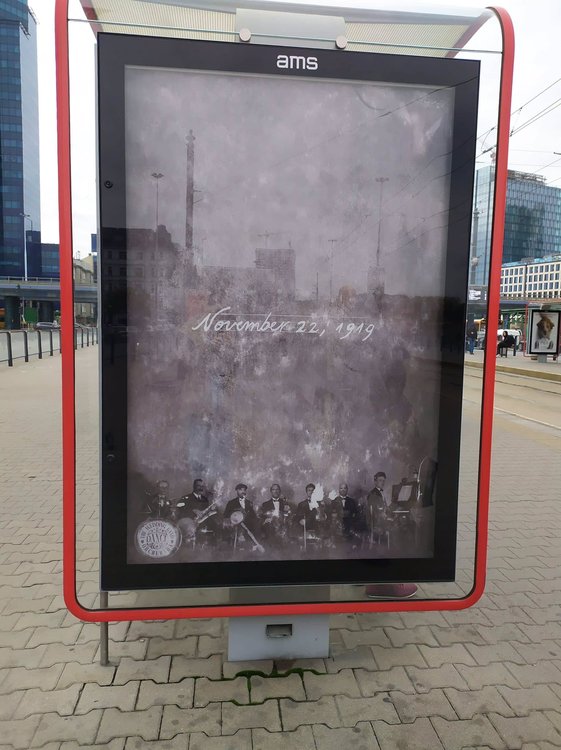
Warsaw - Polska
-
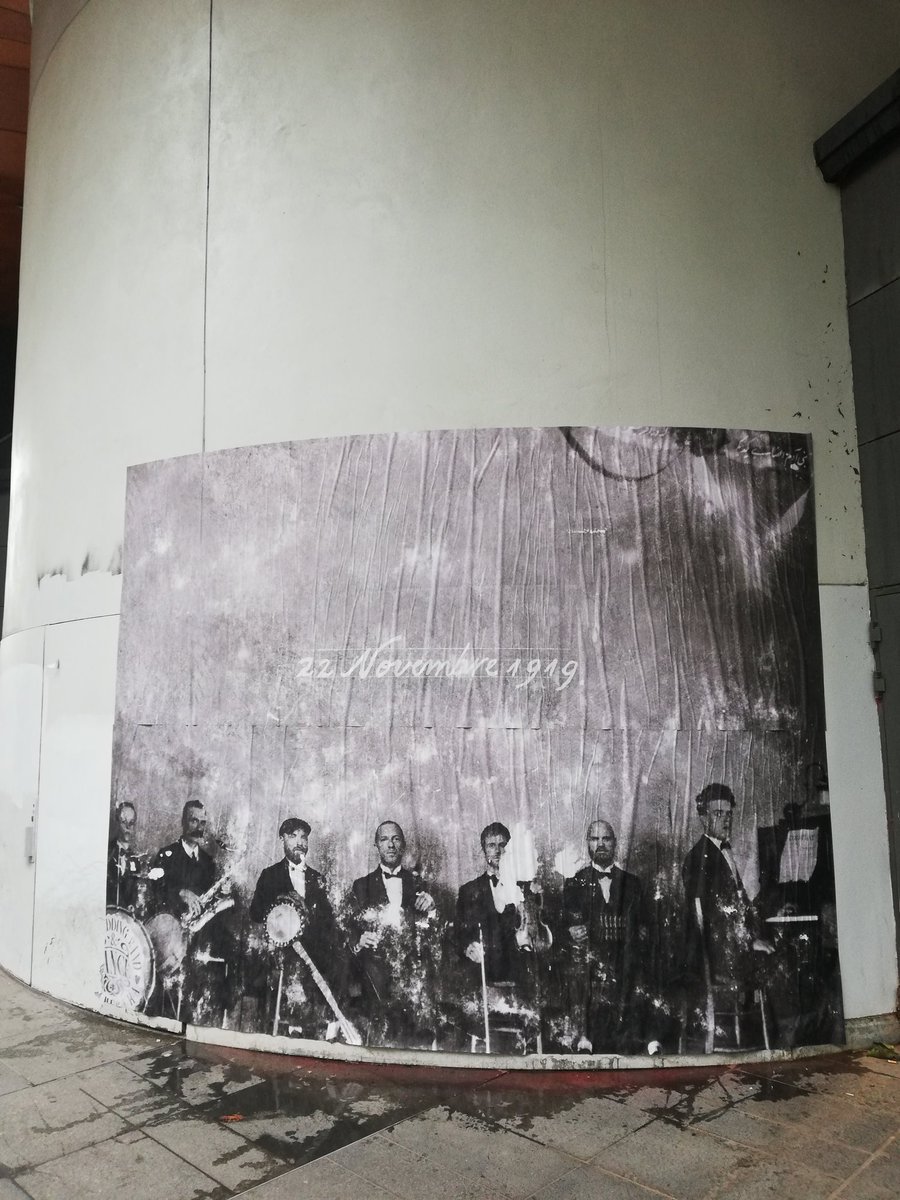
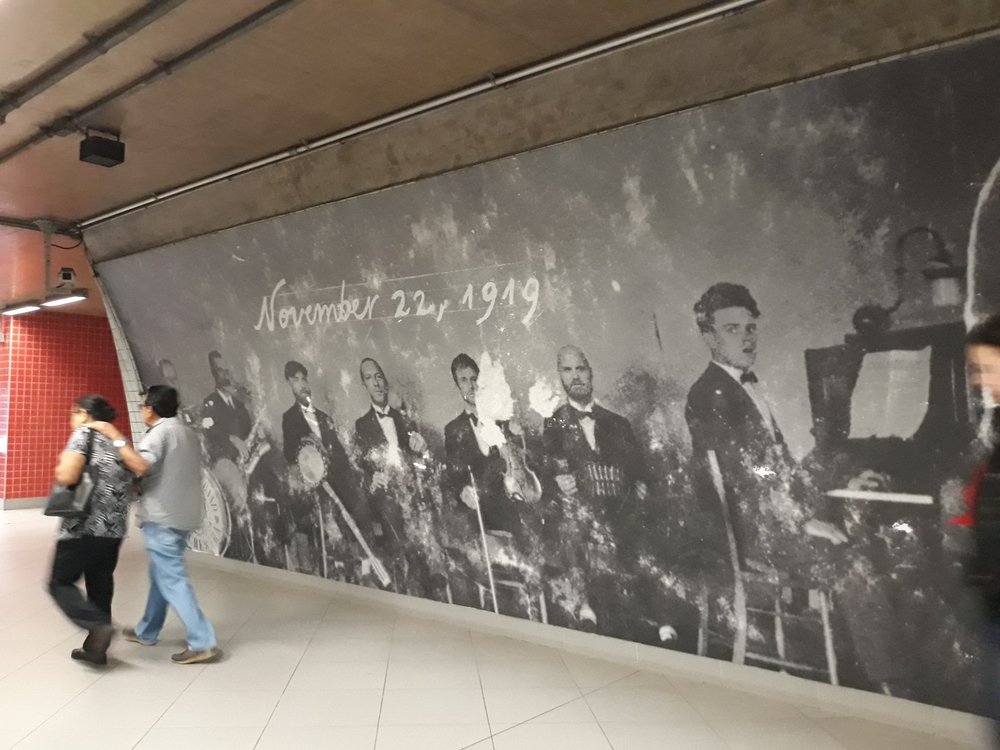
November in french is Novembre :). lol
-
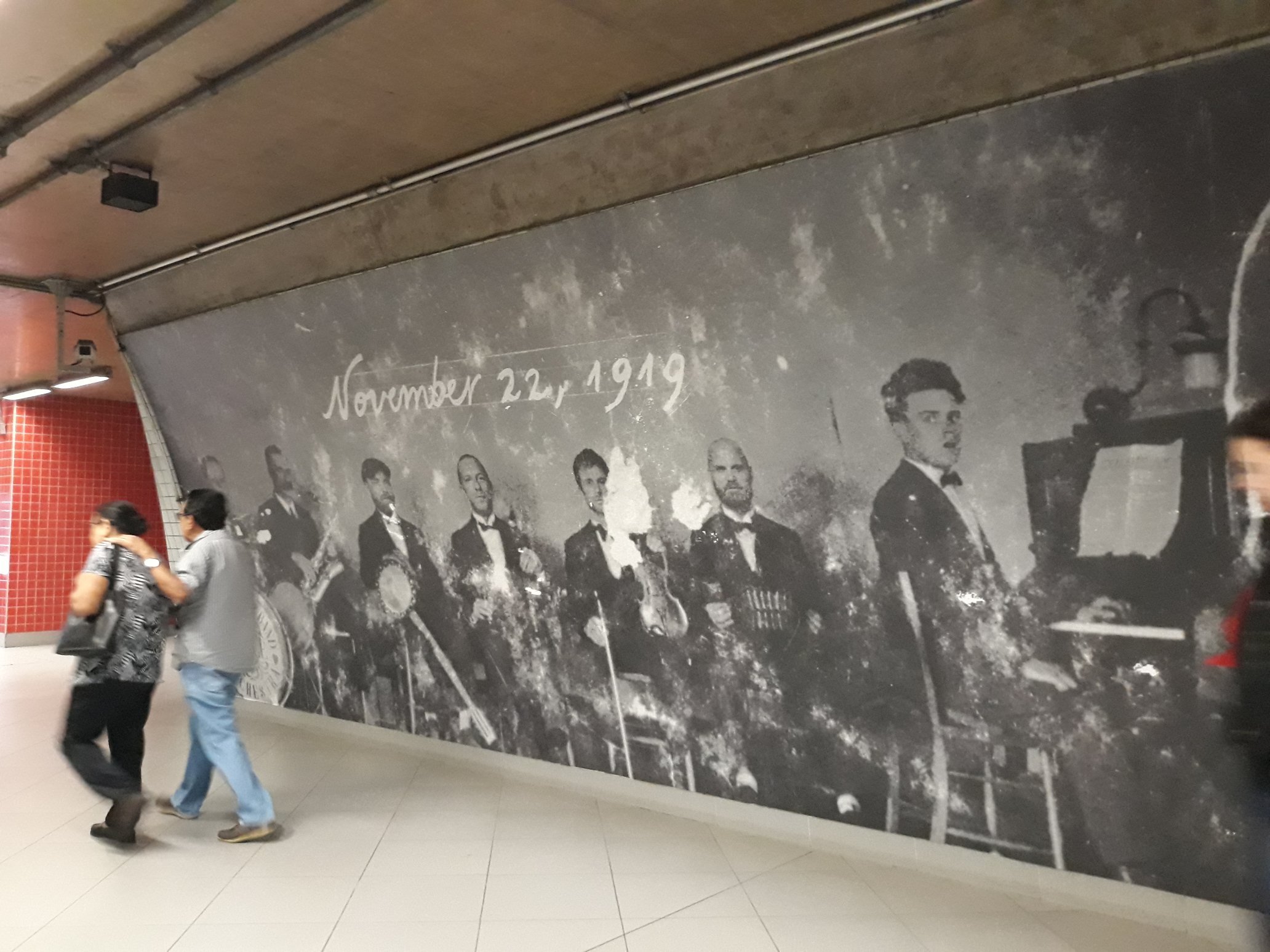
Sao Paulo :)
 Hi guys. Any news?? ;)Setlist: 01.A Head Full of Dreams 02.Yellow 03.Paradise 04.Hymn for the Weekend 05.Fix You ( 06.Raspberry Beret (Prince cover) 07.Viva la Vida 08.Adventure of a Lifetime 09.The Scientist 10.A Sky Full of Stars 11.Up&UpSetlist: 01.A Head Full of Dreams 02.Yellow 03.Every Teardrop Is a Waterfall 04.The Scientist 05.Birds 06.Paradise B-stage: 07.Everglow 08.Magic 09.Army of One A-stage: 10.Clocks 11.Midnight 12.Charlie Brown 13.Hymn for the Weekend 14.Fix You 15."Heroes" (David Bowie cover) 16.Viva la Vida 17.Adventure of a Lifetime C-stage: 18.Kaleidoscope (extended) 19.Ink 20.Us Against the World A-stage: 21.Amazing Day 22.A Sky Full of Stars 23.Up&Up***Setlist 01.A Head Full Of Dreams 02.Yellow 04.Every Teardrop Is a Waterfall 05.The Scientist 06.Birds 07.Paradise 08.Everglow 09.Princess Of China 10.Magic 11.Clocks 12.Midnight 13.Charlie Brown 14.Hymn for the weekend 15.Fix You 16.Heroes 17.Viva la vida 18.Adventure Of A Lifetime 19.Kaleidoscope 20.Ink 21.The Hardest Part 22.See You Soon 23.Amazing Day 24.A Sky Full Of Stars 25.Up & UpThanks..A week after the launch of the "Hymn For The Weekend" video, We had the opportunity to talk with Ben Mor, director of the music video and we asked him some questions about the video shoot, his relationship with the band and his work in general. - Please tell us a little bit about yourself. I am a commercial and music video director that lives in Los Angeles. You can check out some more of my work at these two sites: Site1 - Site2 - Tell us about HFTW. What is the story behind the video? Chris asked me to imagine a video for HFTW that takes place in India and I did just that! The song has such an exuberant life affirming feel to it that I wanted the visuals to match and heighten that tone throughout. - Why did you choose Worli Fort in Mumbai as a filming location? Was it the band’s choice? I scouted many locations all over Mumbai and many locations were used in the final video. Worli Village had a great vibe to it and offered many moments for the video including the final waterfront performance location with all the fishing boats on the water. It was a very cinematic and soulful location Read more...Last part of the article added... i forgot it. sorryInto The Great Wild Open On a sunkissed afternoon at the beginning of the year, Chris Martin hops out of his chauffeured SUV at a luxury beachfront hotel and stands on the Santa Monica boardwalk, inhaling deeply. “Isn’t it beautiful?” he says, taking in the golden sand and the Pacific. “Amazing day.” As it happens, “Amazing Day” is also a song by Martin’s band, Coldplay, from their new album, A Head Full of Dreams – Exhibit A that Martin is very much in person the way he seems in his lyrics: exuberant, a little corny and easily amazed. Martin stretches his legs and takes a minute to soak in the sun. He’s got a swimmer’s build, tall and broad-shouldered, with a few days of stubble and that ineffable famous-person glow. He’s wearing a turquoise trucker hat with a yellow smiley face on it, and taken with his own countenance, the effect is almost redundant – a smiley on top of a smiley. He also seems to have consciously uncoupled from his shoes. Martin lives just up the road in Malibu, in a $14 million house he and his ex-wife, Gwyneth Paltrow, bought shortly before their 2014 split. “Right out there,” he says, pointing up the coast. He woke up this morning and listened to two episodes of Serial, then, in an effort to get pumped up for the band’s upcoming gig at the Super Bowl halftime show, watched all of Rocky IV. “Rocky IV has the most awesome training sequence of all time,” Martin says. “I think it triggers the young boy in me who saw it and was like, ‘Wow – if you wanna do something, just fucking lift logs!’ ” Martin likes to be on the move, so we take off on a walk. He walks often in L.A., both for transportation and for recreation. “There’s always been a flow of anxious energy running through him,” says his best friend, Coldplay creative director Phil Harvey. Actor Simon Pegg, another old friend, suspects it’s also a way to dodge paparazzi. “His trick is to move fast,” Pegg says. “It helps that he has very long legs.” We head off down the boardwalk, past tourists, cyclists, rollerbladers, sea gulls. The barefoot Martin steps on a pebble and bends down to pick it up, conscientiously tossing it into the sand to save the next person from the same fate. I take the opportunity to ask about his lack of shoes. Martin sighs. “I don’t really like talking about it, because it makes me sound like a nob,” he says. “But the truth is, two days before Christmas, I was volunteering at this place for homeless people, building a dog kennel, and someone accidentally dropped a massive panel of wood on my toes.” At first he was worried they might be broken; it turns out they’re not, but it still hurts to wear shoes. On the bright side, it was a good excuse to spend the holidays with Paltrow and their two kids, Apple, 11, and Moses, 9. “It’s always out there in the media, but I have a very wonderful separation-divorce,” Martin says. “It’s a divorce – but it’s a weird one. So I was with them, and it was just lovely. It’s fun to flip between the public music persona and ‘Let’s put together this IO Hawk – what do I screw-drive next?’ ” I tell him that I’m impressed he could build an IO Hawk, one of those twowheeled hoverboard contraptions. “That’s actually a terrible example, because I didn’t touch it,” Martin says, laughing. “But you get my point.” Martin is famously one of the most charming people in music: unfailingly kind, unimpeachably generous and almost comically considerate. He’s quick with a hand on the shoulder or a playful backslap, and he radiates enthusiasm and bonhomie. “It alwaysirks me when he’s portrayed as this shoegazing miserablist, because he’s really, really silly,” says Pegg, who says Martin once turned up to his house with his underwear pulled up to his chest, Urkel-style, “just for shits and giggles.” Witty and self-deprecating, he can be humble to a fault: “It’s very sweet, but sometimes it’s just like, ‘Chris, shut the fuck up and stop apologizing,’ ” Pegg says. “Me and Gwyneth used to go see them live, and he’d start playing some song and go, ‘Sorry about this, we’ve got to play it’ – and Gwyneth and I would look at each other and go, ‘For God’s sake, of course you fucking have to – everybody in the audience wants to hear it!’ ” On the other hand, Martin has been very famous for more than a decade, and a skeptical observer might just see him as savvy about his reputation. For instance, when he very thoughtfully uses his iPhone to record an interview on a windy beach, just in case mine doesn’t work – but then does the same in a very not-windy restaurant. Martin would shake his head at such cynicism; at one point, he gives $20 to a beach busker, and when I half- jokingly ask if he would have done the same if I weren’t there, he looks genuinely hurt. “Yeah,” he says sarcastically, “if you weren’t here, I would have punched him in the face and stolen his guitar.” We’ve been ambling along for a while when I happen to spot a credit card on the ground. Someone must have just dropped it. “Briana,” Martin says, reading the name from the front. “I don’t think I have her number.” He tries searching for her on Twitter. “Poor thing,” he says. “She hasn’t even signed it. What do we do?” I suggest we take it and try to track her down online over lunch. Martin frowns. “Let’s stay here for 10 minutes,” he says. “Ifshe comes back, we’ll make her day. And if she doesn’t, we’ll do your plan.” So we plop down in the grass and wait. To pass the time, Martin tells a joke. “Have you heard about the Muslim guy who lost his wallet?” he says. I’m suddenly worried for him, but also curious where this is going. “Someone found it and gave it back to him,” Martin goes on, “and the Muslim guy was so happy he said, ‘Listen – as a favor, let me warn you: Don’t go to Glastonbury this year.’ The other guy was like, ‘Whoa, thank you. Why?’ And the Muslim guy goes, ‘Because Coldplay are playing!’ ” Then we start talking about his New Year’s Eve. Martin was with some famous people whom he’d rather not name. “But about an hour before midnight,” he says, “I was feeling a bit anxious. Someone told me when you’re feeling anxious, you should write a list of everything you’re grateful for. So I tried it, and it was amazing. A lot of what the, for want of a better word, ancient poets, the Sufis and Buddhists were saying was that if you can tap into that all the time, you’ll become happier. And in my experience, it’s true. I find that when I remind myself to be grateful, everything looks a bit better.” I ask him what was on his list. “A lot of things,” he says. “First of all, just being here. Even that’s enough to high-five the mirror. Wow, I get another shot today? Are you kidding? So that was top of the list. And then I’ve got these two children that I love and a job that I love. I think we’ve been doing it long enough that I’m allowed to feel grateful for it.” (“He’s always going on about how grateful he is,” “We’re gonna do our thing,” Martin says of Coldplay. “If you don’t like it, I don’t mind. Play PlayStation.” teases Pegg. “It’s his most overused word at the moment.”) Eventually, 20 minutes have passed and still no Briana. “Time to face facts,” Martin says. “She’s not coming back. Have you read Waiting for Godot? That’s what we’ve become. At some point, we have to go have lunch.” Accepting defeat, we head back. We’re about fi ve minutes down the boardwalk when a middle-aged guy pedals by on a bicycle. “Briana?” Martin says, joking. “Yeah?” We spin around. A few yards behind us, there’s a twentysomething girl in jogging clothes with a hopeful look on her face. Martin’s jaw drops. “You’re not.” “Did you fi nd my credit card?” she says. “Get the fuck out of here! You’re Briana? We just Googled you!” He hands her the card. “Thank you so much!” she says. “Oh, my God.” If she has any idea it’s Coldplay’s Chris Martin, she doesn’t show it. “We fucking did it!” Martin says, highfi ving me. He turns back to Briana, concerned. “You need to sign that, you know.” “I know,” she says sheepishly. Martin beams. “You don’t understand how happy you’ve made us. You just made our day.” He gives her a hug. “All right, Briana. See you later.” She thanks him again and jogs off . “Wow,” says Martin. “What are the chances?” I tell him it seemed like we were almost more excited than she was. “We were way more excited!” he says. “See, man – how can you say there’s not fucking magic in the world? It’s everywhere!” Back at the hotel, we head out to the patio for lunch. “Do you like fish tacos?” Martin asks. “They have the best fish tacos here.” He spent years as a vegetarian during his marriage to Paltrow, but these days, he says, “If Rocky eats it, I do too.” Just as we sit, a reluctant manager comes over to say that he’s very sorry, but Martin can’t dine without shoes. Martin cheerfully runs to the car and returns shod, and when he does, he notices the actor Edward Norton at the next table. “Hey, man, how you doing?” Martin says, extending a hand. “Hey, man!” says Norton. “Fabulous. I surfed this morning.” “You did? Where?” “Right on our beach.” “How was it?” asks Martin. “I looked at it, but it was kind of windy and bumpy.” “Fantastic,” Norton says. “Lucky boy.” “We should go out sometime. If you want to.” “All right, great,” says Martin. “Cool.” He comes back to our table and smiles. “One of my surfer friends.” Martin is joking: He and Norton aren’t actually big friends, but they know each other in the way that most famous people kind of know each other. Martin says, as a kid growing up in the English countryside, he’d watch Hollywood movies like Beverly Hills Cop and Swingers and think, “How on Earth do you get there?” “Turns out,” he says, “all you have to do is play some minor chords.” Martin grew up in Whitestone, Devon, in what his father, Anthony, jokingly calls “the toe of England.” Phil Harvey, who’s known Martin since they were 13, describes him as “kind of an odd one out,” and, diplomatically, “well-known without being Mr. Popular.” “He was sporty, and he could make people laugh,” says Harvey, “but he also cannot help but display his vulnerability. And I think that sometimes made him a target for people who were, on refl ection, assholes.” Martin pursued music early, playing in teenage cover bands like the Rockin’ Honkies (Otis Redding, Motown) and Bunga (Jane’s Addiction, grunge). “I remember one time we played ‘Been Caught Stealing,’ ” Martin says, “and this girl from the girls’ school came up to me and said, ‘You just ruined my favorite song.’ ” After boarding school, he went to college in London, majoring in ancient history, but he was really just there for the music. That’s where he met the guys who would become Coldplay: guitarist Jonny Buckland, bassist Guy Berryman and drummer Will Champion. “Chris is like a sun in a solar system,” Harvey says. “He just happened to get the right pieces of rock to come into his gravitational pull at the right time.” Pegg, who is godfather to Martin’s daughter (and vice versa), fi rst met Martin at a Coldplay gig in 2000, right after their fi rst album was released. “We were at this afterparty and he said, ‘Do you want to go for a walk?’ ” Pegg recalls. “So we walked to the ATM, and he was kind of freaking out about how big the band were getting. I remember sort of talking him down, like, ‘Don’t worry, man – it’s going to be great.’ ” At the time, they were playing to crowds in the low four digits. Harvey was managing the band back then, and when its second album, 2001’s A Rush of Blood to the Head, blew up, selling almost 20 million copies worldwide, Harvey got sick and had to leave for three years. “And in the time that I was gone, he married Gwyneth and had two kids,” Harvey says. “When I came back, I mostly remember being struck by his change in stature – both physically, and in terms of his presence. He held himself differently, in a good way. He was just walking taller.” Nevertheless, Martin struggled with the scrutiny of being in an A-list power couple. “Gwyneth had been in the limelight for a long time, so she was much better at handling it,” says Pegg. “Whereas I think Chris found it extremely confusing. It was flattering that people were interested – but, at the same time, deeply disturbing that people would make shit up or follow them around.” But these days, Martin seems to have grown at ease with his rarefied position. The band’s new album features appearances by his pal Beyoncé (who sings on a club track called “Hymn for the Weekend”), as well as President Obama, whose rendition of “Amazing Grace” from the funeral of Rev. Clementa C. Pinckney is sampled on a song called “Kaleidoscope.” Martin won’t say how they got it approved, except that they asked a friend who was visiting the White House to put in a good word. Thankfully, Champion is less circumspect. “It really does help if somebody in your band is good friends with Bono,” he says. “He can make anything happen. ‘You want a unicorn? I know a guy.’ ” Martin also capitalizes on his fame by throwing his weight behind humanitarian causes like Oxfam’s Make Trade Fair (“I think we did that, didn’t we?” he jokes) and, more recently, Global Citizen’s initiative to help end poverty. He says that if the trade-off is that “sometimes my life has turned into candy” – i.e., gossip – he really doesn’t mind. “For two percent of the day, I’m a celebrity,” he says. “Most of the time, I’m a guy just trying to figure it out.” We get up to leave. As we do, Martin scribbles a little note on the back of the lunch receipt along with a doodle of himself. “Hey, Ed,” he says, sliding it to Norton. “That’s my e-mail if you want to surf.” “Oh, great,” Norton says. “See you later, man.” “Cheers,” says Martin. Then he heads off to pick up his kids from school. Two days later, it’s flooding in L.A. – an El Niño-fueled downpour has dumped an inch and a half of rain in 24 hours. On the winding road out to the Malibu studio where Martin did much of the work for A Head Full of Dreams, downed trees and rocks lie in the road, and the muddy canyons are covered in mist. It’s the kind of weather that could make an Englishman homesick. Naturally, Martin wants to take a walk. “It’s not so bad,” he says, pulling on a wool cap and buttoning his jacket. “In a few minutes, the sun will come out and it’ll be beautiful.” It seems impossible, but sure enough, he’s right. As the skies clear, we set off down toward the ocean. Martin, who lives about a mile away, hadn’t spent much time in the neighborhood before moving here, but he’d read that Bob Dylan was a longtime resident. “He’s a bit like Santa Claus to me,” Martin says. “I don’t want to see him or meet him, but it’s nice to know that he’s in the world.” A black Prius drives by, and Martin stares at it intently. “Just checking,” he says. “Sometimes you get paparazzi.” Martin moved here at a transitional time in his life; he and Paltrow had been having trouble for more than a year. “We’d just come off of this big stadium tour for [2011’s] Mylo Xyloto,” Martin recalls. “Finishing a big tour like that, there’s a weird hollowness at the end of it. You’ve got two years of being needed every night, a lot of energy coming at you, and then it’s all gone and you have to see what’s happening in your personal life. So a lot of things were just . . . not there.” He’s guarded about the times that followed, but friends say they were pretty dark. “Chris had a really bleak period,” says Harvey. “He was in pain and struggling to see the light at the end of the tunnel. We were all worried about him – the band, his family.” Worried about what? “Um . . . his safety? When someone’s really, really low and on their own a lot, as a friend, your mind goes to the worst-case scenario. That period didn’t last forever, but there was a time when we were all regularly checking in on him, just trying to make sure he wasn’t on his own.” “When Chris feels good, he feels really good,” adds Buckland. “And when he feels bad, he feels really bad.” Martin and Paltrow announced their separation in March 2014. Two months later, Coldplay released their sixth album, Ghost Stories – an unmistakable breakup chronicle, on which Martin sings about being “broken inside.” Coldplay’s best songs (“Yellow,” “The Scientist,” “Viva La Vida”) have always had a kind of epic ache, mixing tragedy and uplift, but Ghost Stories was spare and gray – all cloud and no rainbow. The band did little to promote it, playing few shows and giving no interviews. “It would have been a bit raw,” Martin says. “A big public relationship had just ended, and there was a relatively intimate, sad album. It was sort of self-explanatory.” Martin believes there are two ways to cope with the end of a marriage. “You can come at it very aggressively and blame and blame,” he says. “Or you can put yourself in the garage, so to speak. Take yourself apart and clean off the bits. Reassemble.” His own reassembly was inspired by two works of literature in particular: Viktor Frankl’s Holocaust memoir/psychotherapy manifesto, Man’s Search for Meaning, and “The Guest House,” by the 13th-century Persian poet Rumi. In the latter, Rumi compares the human psyche to a sort of emotional bed-and-breakfast, in which each new guest – joy, anger, sadness – should be welcomed and celebrated because all of them make us who we are. (It’s basically the Sufi version of Inside Out.) Martin says he had “a year of depression” after the split, but now, “I have the tools to turn it around.” Martin says he hasn’t spent much time studying Sufism or any other Eastern traditions. (“I’ve seen that Kurt Russell film Big Trouble in Little China – does that count?”) “But that one Rumi poem changes everything,” he says. “It says that even when you’re unhappy, it’s good for you. So for someone like me” – who used to “flip between despondency and optimism, many times a day” – “I was like, ‘What?!’ It took me about a year to get it,” he says. “A year of depression and all that. I still wake up down a lot of days. But now I feel like I’ve been given the tools to turn it around.” In the meantime, Martin had already envisioned a follow-up, which he knew would be called A Head Full of Dreams — a big, optimistic pop album, full of upbeat rhythms and colors. “It’s almost like he set himself a road map for getting out of his hole,” Harvey says. “I think it gave him a framework to get himself enjoying life again.” Buckland says they felt free to be more optimistic, more danceable. “We’d worked the intimate melancholy out of ourselves.” To help oversee the album, Coldplay enlisted Stargate, the Norwegian production duo who’ve made hits for Beyoncé, Rihanna and Katy Perry. They’d met a few years ago, when Martin wrote a song that he hoped Beyoncé would record called “Hook Up,” and went into the studio with Stargate to try it. (It didn’t work out: “In the sweetest possible way,” says Martin, “she told me, ‘I really like you – but this is awful.’ ”) Still, Martin liked Stargate and they got along, so when it came time to record Dreams, he asked them and the band independently if they might collaborate. At fi rst, “everyone was very skeptical – including me,” Martin says. (Adds Buckland, “I think the rhythm section was much more skeptical.” According to drummer Champion, it was more like curious.) They were all mindful of what might be called the “Poochie eff ect” – “Hey, young people, we heard you like Avicii and Selena Gomez!” In the end, it was all about fi nding a balance. “There were some real pop, pop, pop songs that were like, ‘That’s too much, we’ve gone too far,’ ” says Martin. “And then there were songs that were too much the other way – where [stargate] were like, ‘Nah, that’s a bit miserable.’ ” The album debuted at Number Two. “It’s way too early to tell if it was successful,” says Martin. “But I know that I really love it.” Eventually our hike brings us to Point Dume, a craggy bluff jutting out over the Pacifi c. It’s practically the defi nition of wind-swept. “Look at this epic place, man!” Martin says, stepping over a rope marking the end of the trail. “You have to be careful. Don’t get too close to the edge.” Martin scoots out to the edge of the cliff. “I want to show you this thing we did the other day when we were training,” he says. Slowly, cautiously, he gets on all fours, his toes inches from the ledge. “So you do a plank right here, right?” he says, lifting himself up. “And if you look backwards” – he peers between his legs, upside down, at the expanse of sea – “you can’t see land. It feels like you’re fl ying.” All it takes is a little shift in perspective. “Try it,” says Martin. “Isn’t it cool?” I do. And it is. The next night, martin is in the Pacific Palisades, after dropping Apple off at her theater class. “Their mom is out of town, so I’m on dad patrol,” he says. He seems exhausted. He spent the morning chaperoning Moses’ fi eld trip to the San Gabriel Mission. “It was hilarious – six adults, three teachers and 47 nine-year-olds,” he says. “My eyes are tired.” He forgot to pack his lunch, so he hasn’t really eaten. “I just have all the respect in the world for teachers,” he says. “I said to them, ‘How do you do this?’ ” Martin heads off . “Come on, then,” he calls. “Time for our daily walk.” It’s getting dark, and at one point, we’re walking single fi le on the muddy shoulder of Sunset Boulevard, shouting over the cars and bushwhacking through tree branches to avoid being hit. I start to wonder if maybe the walks aren’t a way for Martin to dodge questions as well as paparazzi. Back when they were married, Paltrow once said she “defi nitely [had] to coax things out of him when we talk,” and I’m beginning to see what she meant. Eventually, we find a Starbucks, and Martin sits down with a soy chai latte with “Chris” scribbled on the cup. I ask if we can talk about his divorce. “Go for it,” he says. “It’s been a long time, you know.” I wonder how he thinks he’s changed since the split. “You mean apart from all the ways we’ve been talking about?” he says, laughing. “It’s hard for me to say, because I hang out with me a lot. But if I had to, I’d say I feel more grateful. And maybe a little calmer.” On my phone, I show him a clip from a Louis C.K. stand-up routine about divorce. The gist of it is, you shouldn’t feel sorry for people who get divorced because things have to get really bad for that to happen. When C.K. jokes that you shouldn’t say “I’m sorry” to newly divorced people because “you’re making them feel bad for being really happy,” Martin laughs loud and long. “I think what he’s saying is that everything has its time,” Martin says. “But he puts it a little more humorously.” Martin pauses. “It’s funny,” he says. “I don’t think about that word very often – divorce. I don’t see it that way. I see it as more like you meet someone, you have some time together and things just move through.” Outwardly, at least, he and Paltrow are on such good terms that she appears on Coldplay’s new album, singing backup on a song called “Everglow.” Martin says he wanted her on it because “it shows that this thing [she and I] have been talking about, about us remaining friends, that it’s really real.” But again, he says, “This conversation feels more relevant, like, two years ago. I get it, I haven’t really spoken about it – I just don’t want to be disrespectful to anyone’s new relationships. I’ve lived a lot of life since then.” For example: Jennifer Lawrence. Martin and Lawrence reportedly dated off and on for much of last year. Martin won’t discuss this or any of the other supposed women in his life, except to say that “if I was in another relationship – which I’m not confirming or denying – it might have been with someone really wonderful and great and amazing. This is, of course, speculative,” he adds for emphasis. “You couldn’t put it on a gossip site. I’m just telling you.” As a very famous, yet also extremely private, singer-songwriter, Martin is in a funny spot. It’s inevitable that people will parse his songs for clues to his love life. Lyrics like “You make me feel like I’m alive again” on “Adventures of a Lifetime” have prompted rumors that it’s about Lawrence. Martin says he won’t dissect his songs, because he wants them to be “whatever someone wants them to be.” “But all that speculation,” he allows, “probably some of it is right. If there’s a song about an amazing person making you feel great, you’re probably not a million miles off.” As if that all weren’t inclusive enough, the new album also includes backing vocals by Martin’s current reported girlfriend, an English actress named Annabelle Wallis. Martin, of course, is mum. “Just because someone’s singing on our album doesn’t mean we’re married,” he says, slightly bristly. Which is totally fair. But I’m a little surprised that he would even have her on the album. Isn’t he just inviting questions he doesn’t want to answer? At this point, Martin seems to reach the limit of discussing his relationships. “Well, maybe I fucked up,” Martin says. “What should I have done? Should we change all the songs?” I apologize, tell him I just find it curious. “No, it’s cool, man,” he says. “I’m interested in this as well. If your life is a bit public . . . but you release music that’s very personal . . . but you don’t want your personal life to be public . . . ” He laughs. “It’s like, ‘What are you doing here, son?’ ” For a man who spent 10 years in a highprofile marriage, Martin has actually done an impressive job of flying below the radar tabloidwise. “I’ve only been in, like, two relationships – or two and a half,” he says. “And it was never my decision to make it public.” He best summed up his thinking in a 2011 Howard Stern interview, when he explained why he walks red carpets with his band but not Paltrow: “Our band is selling something. . . . [Gwyneth and I] don’t have anything to sell.” Which is noble and undoubtedly true. But if you’re looking for privacy, there must be better ways to go about it than dating the most popular actress in the country. “Is this all just a secret ploy to get me to join Tinder?” Martin asks, laughing. “I see where you’re going with this. But that’s to deny the reality of who you meet. A lot of people who are accountants go out with other people in finance.” And besides, he says, you can’t choose who you fall for. “That’s the crux of it, isn’t it?” he says, then smiles. “Let me delightfully quote Selena Gomez and say, ‘The heart wants what it wants,’ my brother.” By now apple’s class is ending, so we head back so Martin can take her to her dance class a few miles away. In between, we have some time to kill, so we grab Thai food at a healthfood cafe while Apple sits at the next table doing homework on her iPad. Martin requests that any more details about her stay off the record. But he probably wouldn’t… Coming off tour was tough for Martin: “You’ve got two years of being needed every night, and then it’s gone.” …mind it being said how fiercely and openly he adores her. Both of Martin’s kids are now at an age when they’ve begun to ask serious questions about the world. “Yesterday, Moses asked me, ‘What’s the Holocaust?’ ” Martin says. “I felt happy he hadn’t experienced that [word], but bummed out to have to tell him.” But they’re also at an age when he can do fun stuff with them. Like two nights ago, he took Moses to a Lakers- Warriors game – courtside seats. “I’d never been to a Lakers game before,” he says. “Talk about feeling grateful. My son loves Steph Curry, and he was right there.” Jack Nicholson was also there, two seats away, separated only by a young woman. “I don’t know if she was with Moses or Jack,” Martin jokes. (Turns out it was Nicholson’s daughter.) In an especially gratifying development for Martin, he and the kids are also starting to make music together. Apple is learning to play guitar, and both sing on the new album. Sometimes they do silly projects at home, like using headphones to create their own silent disco, or recording their own creepy soundtrack for a Halloween maze they built. “We pitch-shifted the kids’ vocals to make them sound really weird,” Martin says. “It was scary!” He’s impressed by their lack of tribalism when it comes to music, and loves that they’re turning him on to stuff – like Silentó’s “Watch Me (Whip/Nae Nae).” “I’m not sure I can whip, but I can nae nae with the best of them,” Martin says. They’re even inspiring him to make his own music better. “Part of me wants to make sure the band is good, just so they’re not embarrassed at school,” he says. “I mean, really. Seriously.” For most of their existence, Coldplay have been a band that it’s OK to make fun of – encouraged, even. It used to hurt Martin, a lot. “I had a couple of years in the mid-2000s where it was really confusing to me,” he says. “I was like, ‘Why is our band sometimes a punchline?’ ” Even in December, when the NFL announced they’d be performing at the Super Bowl, the Internet lit up with jokes about halftime naps. Martin gets it. “We’re an easy target,” he says. “Just look at some of the stuff I’ve been saying to you. Anyone who says, ‘Hey, why don’t we just love each other and get along. . . .’ That’s easy to slag off.” He says he used to have very binary thoughts about the band: “I felt like either everyone likes us or everyone hates us.” But now, “We’re gonna do our thing,” he says. “If you like it, wonderful, and if you don’t, I really don’t mind. There’s so many other things you can do. You can have a PlayStation!” His bandmates have noticed it too. “His armor is a lot thicker in a way,” Champion says. “I think he’d be the first to admit he’s worked quite hard on that.” “He deals with bad things better than ever,” agrees Buckland. “When he was younger, he was highly strung and intense – but I think when you go through some stuff that destroys you, it makes you better as a person.” Now, “he’s just like, ‘Fuck it. This is where I am,’ ” says Harvey. “I think over the course of 16 years, he’s released himself from the shackles of worrying what people are going to say.” For the moment, all of his anxious energy is directed only toward Super Bowl Sunday. “Right now, I’m thinking about 12 and a half minutes in February,” he says. “To me, that’s the climax of everything.” Beyoncé will be joining them, reportedly along with Bruno Mars. The plan is to have them both onstage for about four minutes, with the band playing alone for the rest. Last night, Martin ran through the Coldplay part of the set for one of their special guests. “And at the end of it,” he says, “they said – in sort of a surprised way – ‘Oh. You’ve got good songs.’ I was like, ‘Thank goodness!’ ” he says, cracking up. “Bruce [springsteen] is up to four hours, and we’re pushing the 10-minute mark. So say what you like about Coldplay. But after 15 years, we have eight and a half minutes that some people might agree is OK.”